Liquefied Natural Gas (LNG) for Sale – Primary-Tier LNG Supplier & International Distribution
Reliable LNG - Liquefied Natural Gas (ISO 16903 / ISO 16924 / ISO 16923 – LNG Supply and Distribution) supply for international energy buyers, industrial consumers, power generation facilities and regional gas distributors. The Vanilla+ Corporation / Indico Stratton Corporation LTD provides access to LNG supply opportunities through primary-tier commercial arrangements, coordinating international bulk transactions and smaller-volume distribution requirements across supported markets.
Whether your organization requires a long-term LNG supply agreement, an international LNG cargo, a scheduled monthly delivery, or smaller quantities for industrial and commercial consumption, we offer a flexible procurement approach designed around your operational requirements.
Our LNG supply activities are structured to accommodate different purchasing volumes, delivery destinations and contractual arrangements. We work with commercial buyers, energy companies, industrial manufacturers, power producers, infrastructure operators, regional distributors and other qualified counterparties seeking dependable natural gas supply.
Unlike a procurement model that is limited to one delivery format, our approach considers the entire commercial supply chain, including product origin, availability, contractual specifications, transportation, receiving infrastructure, quality documentation and final delivery arrangements.
Our objective is straightforward: to connect qualified LNG buyers with competitive physical supply opportunities while simplifying the procurement process and providing a transparent commercial structure from the initial inquiry through to delivery.
- International LNG cargoes: Bulk maritime supply under FOB, CFR and CIF contractual arrangements.
- Industrial LNG supply: Scheduled deliveries for manufacturing, processing, heating and industrial energy requirements.
- Small-scale LNG: Cryogenic road tanker and ISO container deliveries where suitable infrastructure is available.
- Long-term supply: Monthly, quarterly and multi-year procurement arrangements.
- Spot LNG: Short-term physical procurement opportunities subject to available supply and market conditions.
- Regional distribution: Coordination with qualified local logistics and infrastructure partners.
From the initial request for quotation to the final contractual delivery point, our group of companies aims to make LNG procurement commercially transparent, technically compliant and adaptable to the requirements of each buyer.
What Is LNG, How Is It Produced and Where Is Liquefied Natural Gas Used?
Liquefied Natural Gas is one of the most important internationally traded energy commodities. It allows natural gas to be transported between countries and regions that are not directly connected through conventional natural gas pipeline infrastructure.
Natural gas is extracted from underground reservoirs, offshore gas fields and other geological formations. Before it can become commercial LNG, the extracted gas undergoes processing to remove unwanted substances and components that could interfere with liquefaction, transportation or its intended end use.
Depending on the source gas, this treatment can include the removal of water, carbon dioxide, hydrogen sulphide, mercury and heavier hydrocarbon components. The treated gas is subsequently cooled through an industrial liquefaction process until it becomes a cryogenic liquid.
At approximately -162°C under atmospheric-pressure conditions, natural gas becomes liquid LNG. Its volume is approximately 1/600 of its original gaseous volume, which provides a major logistical advantage for international transportation and storage.
When LNG reaches its destination, it can be stored in specialized insulated tanks and subsequently converted back into gaseous natural gas through a process called regasification. The resulting gas can then be supplied to pipelines, industrial facilities, power stations and commercial customers.
Major Commercial Applications of LNG1. Electricity Generation and Power Plants
Natural gas is widely used in electricity generation. LNG allows countries and regions to access natural gas for gas-fired power plants even when domestic pipeline production is insufficient or unavailable.
Combined-cycle gas turbine facilities use natural gas to generate electricity through gas turbines and additional steam-generation systems that recover heat from the initial combustion process. This configuration can achieve high overall electrical efficiency compared with conventional thermal generation technologies.
LNG supply is particularly relevant to countries seeking to diversify their energy imports, improve fuel availability and support flexible electricity generation capacity.
2. Industrial Manufacturing and Processing
Manufacturing facilities represent an important market for LNG. Industries requiring substantial and consistent thermal energy can use regasified LNG as a natural gas supply source for industrial burners, furnaces, boilers and other gas-compatible equipment.
Major applications include:
- Steel manufacturing and metal processing.
- Glass production and industrial glass furnaces.
- Ceramic, brick and construction-material manufacturing.
- Cement production and industrial heat requirements.
- Textile processing and industrial drying.
- Food and beverage manufacturing.
- Paper and pulp production.
- Chemical and petrochemical manufacturing.
- Industrial steam generation and process heating.
For industrial consumers, the commercial attractiveness of LNG depends on its delivered cost, energy content, equipment compatibility, consumption profile and the availability of alternative fuels.
3. Commercial Heating and Natural Gas Distribution
In areas without direct access to natural gas pipeline infrastructure, LNG can support localized gas distribution systems.
Following transportation in cryogenic containers or road tankers, LNG can be received at suitable facilities, stored in insulated tanks and regasified for distribution through a local gas network.
This model can support commercial buildings, hotels, hospitals, residential developments, food-processing facilities and other consumers requiring a continuous natural gas supply.
4. Marine Transportation and LNG Bunkering
LNG is also used as a marine fuel for specially designed vessels equipped with LNG-compatible fuel storage and supply systems.
Its use in maritime transportation has expanded as shipowners evaluate alternative fuels and emissions requirements. LNG-fuelled vessels require specialized onboard cryogenic storage, fuel conditioning and approved bunkering infrastructure.
Commercial LNG bunkering can take place through dedicated bunkering vessels, terminal-based systems or approved truck-to-ship arrangements, depending on vessel design and port facilities.
5. Heavy-Duty Road Transportation
LNG can be used as a fuel in specifically designed heavy-duty commercial vehicles. It is particularly relevant to long-distance transport operations where the required refuelling infrastructure is available.
Unlike conventional compressed natural gas, LNG is stored in a cryogenic liquid state, providing greater onboard energy storage per unit of tank volume.
Potential applications include long-distance freight transportation, specialized commercial fleets and certain industrial transport operations.
6. Remote Energy Supply and Off-Grid Facilities
Remote industrial operations, mining facilities, island communities and isolated infrastructure projects may require energy sources that can be transported independently of conventional pipeline systems.
LNG can provide an alternative supply route where a suitable receiving, storage and regasification installation can be established.
These projects are particularly dependent on transportation distance, consumption volume, storage capacity, infrastructure investment and the economics of continuous LNG deliveries.
7. Chemical and Petrochemical Feedstock
Natural gas is an important feedstock for the chemical industry. Methane can be processed into hydrogen and synthesis gas, which are used in the production of ammonia, methanol and other industrial chemicals.
Consequently, LNG imports can support industrial facilities that depend on reliable access to natural gas feedstock, particularly in markets where domestic natural gas production is limited.
How You Benefit From Our Company:
Zero Intermediaries, Bulk & Small Volumes Across Every Continent
Although LNG and LPG are both liquefied hydrocarbon fuels, they are fundamentally different products. They have different chemical compositions, physical properties, storage requirements, transportation systems and commercial applications.
Understanding these differences is essential when selecting the appropriate energy commodity for industrial consumption, commercial distribution or international procurement.
LNG – Liquefied Natural Gas
LNG is predominantly methane that has been cooled to approximately -162°C to become a liquid. It is produced from processed natural gas and is stored in specialized cryogenic tanks that maintain extremely low temperatures.
Because methane has a very low boiling temperature, LNG requires dedicated insulated storage and transportation equipment. It is generally transported through specialized LNG carriers, cryogenic road tankers and approved ISO tank containers.
LPG – Liquefied Petroleum Gas
LPG primarily consists of propane and butane, or a mixture of these hydrocarbons. Unlike LNG, LPG can generally be liquefied through moderate pressurization at ambient temperatures, depending on its composition and surrounding conditions.
This makes LPG suitable for pressurized storage cylinders, industrial tanks, road tankers and specialized LPG carriers.
Technical Comparison: LNG vs LPG
Liquefied Natural Gas (LNG) and Liquefied Petroleum Gas (LPG) are both supplied in liquid form, but they differ significantly in chemical composition, storage temperature, transportation requirements, energy characteristics, and end-use applications. The following table provides a general technical comparison.
| Property / Characteristic | Liquefied Natural Gas (LNG) | Liquefied Petroleum Gas (LPG) |
|---|---|---|
| Primary Composition | Predominantly methane (CH₄), with smaller quantities of ethane, propane, nitrogen and other components depending on the source and processing. | Primarily propane (C₃H₈), butane (C₄H₁₀), or a mixture of both. |
| Typical Storage Temperature | Approximately -162°C at atmospheric pressure. | Ambient temperature when stored under sufficient pressure, depending on composition. |
| Storage Conditions | Cryogenic, insulated tanks designed to maintain extremely low temperatures. | Pressurized tanks, cylinders and specialized storage vessels. |
| Approximate Liquid Density | Approximately 430–470 kg/m³, depending on LNG composition and temperature. | Approximately 500–580 kg/m³, depending on propane/butane ratio and temperature. |
| Volumetric Energy Density | Approximately 21–24 MJ per litre of liquid LNG. | Approximately 25–28 MJ per litre of liquid LPG. |
| Storage Volume Reduction | Natural gas volume is reduced by approximately 600 times when liquefied. | LPG occupies substantially less volume in liquid form than in gaseous form; the exact reduction depends on composition and conditions. |
| Transportation Methods | Specialized LNG carriers, cryogenic road tankers, ISO cryogenic containers and dedicated LNG transfer systems. | Pressurized LPG carriers, road tankers, rail tank cars, cylinders and ISO tanks designed for LPG. |
| Regasification / Vaporization | Requires controlled warming through dedicated LNG vaporizers before distribution or consumption as natural gas. | Vaporizes as pressure and temperature conditions permit, often through controlled withdrawal from pressurized storage. |
| Common Industrial Applications | Power generation, industrial boilers, manufacturing, gas distribution networks and heavy-duty transport. | Industrial heating, metal processing, manufacturing, petrochemical applications and commercial cooking. |
| Residential & Commercial Applications | Residential and commercial gas supply through regasification and distribution infrastructure. | Cooking, heating, hot water systems, restaurants, hotels and commercial cylinder distribution. |
| Typical Global Pricing References | Henry Hub, Dutch TTF, Japan-Korea Marker (JKM) and other regional LNG benchmarks. | Saudi Aramco Contract Price (CP), Mont Belvieu, ARA and other regional LPG pricing references. |
| Supply Chain Requirements | Cryogenic production, liquefaction, insulated storage, specialized transportation and regasification infrastructure. | Refining or gas-processing facilities, pressurized storage, specialized transportation and distribution infrastructure. |
How Is LNG Transported Internationally?
The transportation of LNG requires specialized infrastructure designed for cryogenic liquids. Unlike conventional liquid petroleum products, LNG cannot be transported in ordinary fuel tankers or standard uninsulated storage tanks.
International LNG transportation generally takes place through the following logistical channels:
- LNG Carrier Vessels: Large specialized maritime vessels equipped with insulated cryogenic cargo tanks. These vessels transport substantial LNG quantities between liquefaction and receiving terminals.
- Small-Scale LNG Carriers: Smaller maritime vessels serving regional terminals, island markets, coastal industrial facilities and distribution hubs.
- Cryogenic Road Tankers: Insulated road transportation equipment designed to deliver LNG from terminals or distribution facilities to industrial receiving installations.
- ISO LNG Tank Containers: Specialized intermodal containers that can be transported by road, rail and sea, subject to the relevant approvals and infrastructure.
- Rail-Based LNG Logistics: Specialized cryogenic rail equipment where permitted and commercially available.
At the receiving destination, LNG is transferred into approved cryogenic storage infrastructure. Depending on the customer's requirements, it may subsequently be regasified for pipeline distribution, industrial consumption or electricity generation.
We consider the receiving infrastructure and transportation requirements before proposing a delivery arrangement. This ensures that the commercial supply proposal corresponds to the actual capabilities of the destination market.
How You Benefit From Our Company:
Zero Intermediaries, Bulk & Small Volumes Across Every Continent
International LNG Supply, Competitive Procurement and Flexible Delivery Solutions
Purchasing LNG is a complex commercial process involving several parties, including natural gas producers, liquefaction facilities, LNG traders, shipping companies, terminal operators, distributors and final consumers.
For many buyers, identifying a suitable physical supply source is only the beginning. They must also consider product specifications, contractual availability, transportation arrangements, terminal compatibility, financing requirements, customs procedures and delivery schedules.
The Vanilla+ Corporation / Indico Stratton Corporation LTD aims to simplify this process by coordinating the commercial supply chain and structuring procurement opportunities around the buyer's actual requirements.
Our business model accommodates international bulk procurement as well as smaller-scale industrial and commercial requirements, subject to available supply and the capabilities of the relevant logistics network.
Key Advantages of Working With Our Company
1. Primary-Tier Supply Access and Transparent Commercial Structures
We focus on primary-tier LNG supply arrangements and physical commodity transactions supported by identifiable counterparties and appropriate contractual documentation.
Rather than relying exclusively on informal chains of intermediaries, our approach emphasizes the verification of supply authority, product origin, contractual responsibilities and the commercial route between the supplier and the final buyer.
For qualified buyers, this can simplify negotiations, improve visibility over the supply chain and reduce unnecessary commercial complexity.
2. International Bulk Cargoes and Smaller LNG Volumes
Large LNG procurement operations and smaller regional deliveries require different transportation systems and commercial structures.
We work with both procurement categories.
- International LNG cargoes for importers and energy companies.
- Large-volume supply for electricity generation facilities.
- Industrial LNG deliveries for manufacturing plants.
- Small-scale LNG transportation through suitable cryogenic road tankers.
- ISO container deliveries for qualified receiving facilities.
- Regular scheduled supply for regional distributors.
- Spot procurement and longer-term contractual supply.
This dual-scale approach allows buyers to discuss procurement solutions according to their actual consumption rather than being restricted to one standard cargo size.
3. International Commercial Reach and Local Distribution Coordination
Our group of companies operate with an international procurement perspective, connecting LNG supply opportunities with buyers across Europe, Asia, the Middle East, Africa, North America and South America.
Our commercial approach combines international wholesale transactions with regional distribution coordination. Where the necessary terminal, storage, transportation and regulatory infrastructure exists, we can explore local delivery solutions through qualified logistics and operating partners.
Not every destination has LNG import terminals or cryogenic distribution infrastructure. Therefore, each delivery proposal is assessed according to the actual facilities and regulatory requirements of the receiving country.
Our objective is to provide one commercial point of coordination for buyers seeking to procure LNG across different geographical markets.
4. Flexible Contractual Arrangements
Different LNG buyers require different procurement periods and pricing structures.
We can discuss spot transactions, short-term supply arrangements, seasonal procurement, monthly deliveries and longer-term supply contracts.
Depending on the transaction, contractual pricing may be structured around an agreed commodity benchmark, a fixed price, an indexed formula or a negotiated differential.
5. Supply Chain and Logistics Coordination
Successful LNG procurement depends on more than the availability of the commodity itself. The transportation route, receiving terminal, storage capacity, unloading arrangements and delivery schedule must all be commercially compatible.
The Vanilla+ Corporation / Indico Stratton Corporation LTD coordinates these considerations with the relevant contractual and logistics counterparties.
For international shipments, this can include discussions regarding vessel availability, loading windows, discharge ports, delivery terms and terminal acceptance requirements.
For smaller deliveries, the process can include road transportation availability, ISO tank compatibility, local receiving capacity and the required delivery documentation.
6. Product Quality and Specification Verification
Every LNG transaction must identify the applicable contractual quality specification.
Our network of companies places importance on the availability of appropriate product documentation, including LNG composition information, calorific value, density, sampling and inspection records where applicable.
Quality requirements are established before delivery so that the buyer can assess whether the proposed product is compatible with its receiving terminal, gas network or intended industrial application.
7. Commercial Banking and Trade Finance Options
International LNG transactions can involve significant financial commitments, especially when dealing with large cargoes and long-term supply agreements.
We can discuss commercially appropriate payment and trade finance structures with qualified counterparties, subject to banking approval, transaction size, creditworthiness and contractual conditions.
Depending on the transaction, possible structures may include:
- Documentary Letters of Credit (DLC).
- Standby Letters of Credit (SBLC).
- Bank Guarantees (BG), where contractually appropriate.
- Bank-to-bank settlement arrangements.
- Agreed advance payment and balance payment structures.
- Documentary payment arrangements linked to contractual delivery milestones.
All financial instruments remain subject to independent bank verification and the agreed contractual requirements of the transaction.
8. Dedicated Commercial Support
Each LNG procurement inquiry is evaluated according to the buyer's location, intended application, required volume, delivery schedule and available infrastructure.
Our objective is to provide a clear commercial response rather than an unsuitable generic offer.
From initial discussions through commercial negotiations and contractual coordination, The Vanilla+ Corporation / Indico Stratton Corporation LTD aims to maintain a structured communication process and provide the relevant information required by the buyer's procurement team.
Liquefied Natural Gas (LNG) Pricing for Bulk and Small Volumes
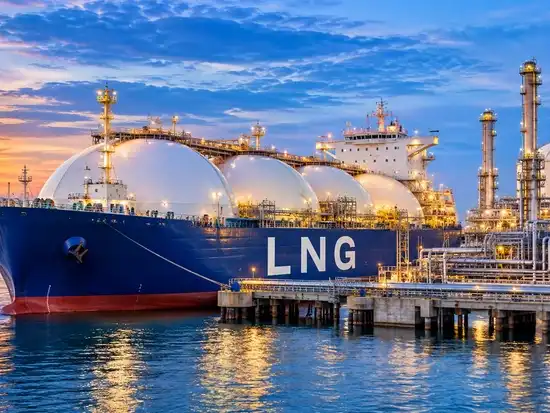
LNG is an internationally traded energy commodity whose commercial price is influenced by regional natural gas markets, global demand, available liquefaction capacity, shipping costs, seasonal consumption and geopolitical developments.
Unlike products with a single universally applicable international price, LNG transactions are frequently structured around regional benchmarks and negotiated contractual differentials.
For this reason, we evaluate each supply inquiry individually, considering the required quantity, product specification, loading location, destination market, delivery terms and contract duration.
International LNG Bulk Cargo Pricing – FOB, CFR and CIF
International LNG cargoes are generally traded in energy units, such as million British thermal units (MMBtu), although quantities can also be expressed in metric tonnes and other contractual measurement units.
Major pricing references include:
- Henry Hub: A major United States natural gas pricing benchmark, frequently used in LNG contracts linked to North American gas supply.
- TTF: The Dutch Title Transfer Facility, a major European natural gas benchmark that influences European LNG procurement and trading.
- JKM: The Japan Korea Marker, a widely recognized benchmark for spot LNG cargoes delivered into Northeast Asian markets.
- Brent-linked pricing: Certain international long-term LNG contracts use formulas indexed to crude oil prices.
- Regional LNG assessments: Additional assessments may apply to Northwest Europe, the Mediterranean, South America and other destination markets.
The final contract price may incorporate the relevant benchmark, a negotiated premium or discount, shipping costs, terminal charges, insurance and other agreed commercial components.
FOB – Free On Board
Under an FOB LNG transaction, the seller's delivery obligation is generally fulfilled when the LNG is loaded on board the nominated vessel at the agreed loading port, in accordance with the applicable contract and Incoterms provisions.
The buyer generally arranges the main maritime transportation and associated costs after delivery at the agreed point.
FOB procurement is commonly considered by experienced LNG buyers with access to shipping capacity and suitable destination infrastructure.
CFR – Cost and Freight
Under CFR arrangements, the seller contracts and pays for the carriage of the LNG to the named destination port. Risk transfer is distinct from the allocation of freight costs and is governed by the agreed delivery terms.
This structure can be appropriate for buyers who prefer the seller to coordinate the main maritime transportation.
CIF – Cost, Insurance and Freight
Under CIF arrangements, the seller arranges and pays for carriage and the agreed level of cargo insurance to the named destination port.
The buyer should carefully review the insurance requirements, risk-transfer point and contractual responsibilities before accepting a CIF LNG offer.
Small and Medium LNG Volume Pricing
Not every LNG consumer requires a full international vessel cargo. Many industrial and commercial buyers require significantly smaller quantities that can be delivered through regional LNG distribution systems.
The Vanilla+ Corporation / Indico Stratton Corporation LTD can coordinate inquiries for smaller-volume LNG supply, subject to available infrastructure and regional distribution arrangements.
These deliveries may involve:
- Cryogenic road tanker transportation.
- ISO LNG tank container deliveries.
- Regional LNG storage and distribution terminals.
- Satellite LNG installations with suitable regasification facilities.
- Scheduled deliveries to industrial customers.
Small-volume LNG pricing is generally calculated according to the delivered energy quantity or agreed mass, together with transportation and distribution costs.
Relevant pricing factors include the distance from the supply terminal, road transportation availability, unloading requirements, delivery frequency, storage capacity, local taxes, applicable energy charges and the required contract duration.
Long-Term LNG Supply Contracts and Volume-Based Pricing
Industrial consumers and distributors with predictable consumption may benefit from negotiating longer-term supply arrangements.
Depending on the market and available supply, contractual arrangements may include monthly or quarterly delivery schedules, minimum and maximum quantities, agreed pricing formulas, volume tolerance provisions and delivery flexibility.
Longer contractual periods can provide improved procurement visibility, although they do not automatically guarantee lower prices. Buyers should assess indexation exposure, take-or-pay obligations, destination restrictions and other contractual risks before entering long-term commitments.
International Distribution – Local Supply and Global Bulk Trade
Our company is structured to serve international LNG procurement requirements and explore local distribution opportunities across supported markets.
Our commercial network is intended to accommodate different geographical requirements, including European industrial consumers, Asian energy importers, Middle Eastern commercial buyers, African infrastructure projects and Latin American energy markets.
For international bulk transactions, procurement can be structured around established LNG loading and receiving terminals, subject to available cargoes and contractual compatibility.
For regional requirements, the availability of cryogenic transportation, storage and regasification facilities is evaluated before confirming a delivery proposal.
Our international approach allows buyers to discuss both major LNG cargo requirements and smaller commercial orders through the same procurement channel.
Request an LNG Supply Quotation
To receive an LNG commercial quotation from us, buyers should provide the following information:
- Destination country and receiving terminal or delivery location.
- Required quantity in metric tonnes, MMBtu or MWh.
- Preferred delivery schedule and frequency.
- Required LNG composition and quality specification, if applicable.
- Preferred Incoterms, such as FOB, CFR or CIF.
- Expected contract duration.
- Receiving infrastructure and storage capabilities.
Based on these details, we can evaluate the available supply options and prepare a commercial proposal for further discussion.
Technical Liquefied Natural Gas (LNG) Specifications & International Quality Standards
As a primary-tier energy supplier, The Vanilla+ Corporation / Indico Stratton Corporation LTD supports the supply of Liquefied Natural Gas (LNG) for international bulk commodity transactions, industrial consumption, commercial distribution, marine applications and small-volume LNG requirements.
LNG is a cryogenic liquid consisting predominantly of methane, together with varying concentrations of ethane, propane, butanes, nitrogen and other trace components. Its commercial quality is determined by its chemical composition, calorific value, density, Wobbe Index, methane number and the concentration of relevant impurities.
LNG is not produced to one universal chemical specification. The final quality profile depends on the natural gas source, gas-treatment process, liquefaction facility, destination market, receiving terminal and contractual acceptance requirements.
The following technical specification matrices cover the principal parameters used in commercial LNG trading, including bulk LNG cargoes, terminal deliveries, road tanker distribution, ISO tank containers and small-scale LNG supply.
Important: The numerical values below include indicative commercial composition ranges and examples taken from published LNG terminal specifications. They are technical reference information and do not constitute a universal guarantee that every LNG cargo meets every listed value. Final contractual limits must be confirmed against the applicable Certificate of Quality, receiving-terminal rules and Sales and Purchase Agreement (SPA).
The Liquefied Natural Gas (LNG) Technical Specifications are available as a downloadable PDF on the following link: https://en590diesel.com/lng-liquified-natural-gas-specifications.pdf
1. Typical Commercial LNG Chemical Composition – Bulk and Small-Volume Supply
The chemical composition of commercial LNG is normally determined through gas chromatography. Methane is the principal component, while the concentrations of heavier hydrocarbons and inert gases influence the product's density, energy content, combustion properties and suitability for different gas networks.
The following matrix presents indicative composition ranges encountered in commercial LNG. These ranges are provided for technical orientation and should not be interpreted as one contractual grade or as guaranteed minimum and maximum limits.
| Component / Property | Chemical Formula | Indicative Composition (mol %) | Commercial / Technical Relevance |
|---|---|---|---|
| Methane | CH₄ | Approximately 85–99+ | Principal energy-bearing component of LNG. |
| Ethane | C₂H₆ | Approximately 0–10 | Heavier hydrocarbon that influences calorific value and liquid density. |
| Propane | C₃H₈ | Approximately 0–5 | Contributes to gross heating value and affects LNG physical properties. |
| Iso-Butane | i-C₄H₁₀ | Generally trace to approximately 1.5 | Heavier hydrocarbon component affecting density and energy characteristics. |
| Normal Butane | n-C₄H₁₀ | Generally trace to approximately 1.5 | Heavier hydrocarbon component included in the total C₄ fraction. |
| Pentanes and Heavier Hydrocarbons | C₅+ | Generally trace quantities to approximately 0.2 | Heavy hydrocarbon fraction controlled according to liquefaction and receiving-terminal requirements. |
| Nitrogen | N₂ | Approximately 0–2 | Inert component that affects heating value, density and vapor characteristics. |
| Carbon Dioxide | CO₂ | Normally trace after LNG pretreatment | Controlled impurity removed or reduced during natural gas processing. |
| Oxygen | O₂ | Normally very low | Controlled component subject to applicable terminal and gas-quality limits. |
| Hydrogen Sulphide | H₂S | Normally very low or below agreed limits | Sulphur compound controlled through gas treatment and contractual quality requirements. |
| Mercaptans | R-SH | Normally very low or below agreed limits | Sulphur-containing compounds subject to the applicable total sulphur specification. |
| Water / Moisture | H₂O | Removed to very low levels during pretreatment | Controlled to prevent freezing, hydrate formation and operational problems. |
| Mercury | Hg | Trace / controlled at very low levels | Controlled trace contaminant due to its potential impact on aluminium cryogenic equipment. |
2. LNG Physical, Thermal and Energy Specifications
LNG physical and energy characteristics are essential for determining commercial value, storage requirements, transportation arrangements and compatibility with the receiving facility. These parameters are calculated or measured using the applicable composition analysis and agreed reference conditions.
| Property / Characteristic | Indicative Commercial Value | Unit / Reference Conditions | Technical Relevance |
|---|---|---|---|
| Liquid Storage Temperature | Approximately -162 | °C; near atmospheric pressure | Cryogenic temperature required to maintain natural gas in liquid form at near-atmospheric pressure. |
| LNG Liquid Density | Approximately 420–480 | kg/m³; composition and temperature dependent | Used in cargo quantity, mass and energy calculations. |
| Gross Calorific Value (Mass Basis) | Approximately 52–56 | MJ/kg | Energy released by complete combustion on a mass basis, including the latent heat of water condensation. |
| Net Calorific Value (Mass Basis) | Approximately 47–50 | MJ/kg | Energy value excluding the latent heat recovered through condensation of combustion water. |
| Gross Calorific Value (Gas Volume Basis) | Approximately 38.99–47.00 | MJ/Nm³; reference conditions must be stated | Energy content of regasified natural gas, calculated from the gas composition. |
| Net Calorific Value (Gas Volume Basis) | Approximately 35.18–42.90 | MJ/Nm³; reference conditions must be stated | Net energy content of regasified natural gas. |
| Gross Wobbe Index | Approximately 49.9–58.3 | MJ/Nm³; reference conditions must be stated | Indicates interchangeability of fuel gases in combustion equipment, subject to the relevant equipment and network requirements. |
| Relative Density of Regasified Gas | Approximately 0.55–0.70 | Dimensionless; relative to air | Used in gas-quality and combustion calculations. |
| Methane Number | 70 minimum in some published terminal specifications; approximately 73–93 typical in one published specification | Dimensionless; calculation method dependent | Relevant to knock resistance and performance in certain gas engines. |
| Volume Reduction Through Liquefaction | Approximately 600:1 | Gas-to-liquid volume ratio; conditions dependent | Allows large quantities of natural gas to be transported and stored in liquid form. |
| Appearance | Clear, colourless liquid | Physical characteristic | Normal visual appearance of LNG. |
| Odour | Odourless in its untreated form | Physical characteristic | LNG is generally not odorized in the same way as some distributed natural gas systems. |
3. Commercial LNG Quality Acceptance Parameters – Example Terminal Specification
International LNG terminals establish quality acceptance requirements to ensure that incoming cargoes are compatible with terminal storage, regasification equipment and the downstream gas network.
The following matrix reproduces a representative set of published LNG terminal limits. It is based on the Gasum LNG and LBG terminal quality specification and is included as an example of the type of acceptance criteria that may be used in commercial LNG transactions.
| Quality Parameter | Unit | Example Minimum | Example Maximum |
|---|---|---|---|
| Methane | mol % | 80.0 | — |
| Ethane | mol % | — | 9.0 |
| Propane | mol % | — | 3.0 |
| n-Butane + i-Butane | mol % | — | 1.0 |
| n-Pentane + i-Pentane | mol % | — | 0.2 |
| Hexane | mol % | — | 0.1 |
| Nitrogen | mol % | — | 1.2 |
| Carbon Dioxide | mol % | — | 0.01 |
| Gross Calorific Value | MJ/Nm³ | 38.99 | 47.00 |
| Net Calorific Value | MJ/Nm³ | 35.18 | 42.90 |
| Gross Wobbe Index | MJ/Nm³ | 49.9 | 58.3 |
| LNG Liquid Density | kg/m³ | 420 | 480 |
| Methane Number | — | 70 | 93 typical range |
| Total Sulphur | mg/Nm³ | — | 30 |
Reference conditions: The published Gasum specification identifies its calorific-value reference conditions and calculation basis. The reference temperature and pressure used in any commercial LNG contract must be stated explicitly. Nm³ values from different documents should not be compared without checking their reference conditions.
4. Additional LNG Terminal Quality Controls – Sulphur, Impurities and Contaminants
In addition to hydrocarbon composition and energy content, LNG receiving facilities may impose limits on sulphur compounds, oxygen, carbon dioxide, water, mercury, hydrocarbon dew point and physical contaminants.
The following table provides examples of additional quality controls appearing in published terminal specifications. Limits vary between terminals and should be treated as destination-specific acceptance criteria.
| Property / Contaminant | Unit | Example Published Limit | Technical Purpose |
|---|---|---|---|
| Hydrogen Sulphide (H₂S) | mg/Nm³ or mg/Sm³ | Example terminal limit: 5 mg/Sm³ | Controls corrosive and toxic sulphur compounds. |
| Total Sulphur | mg/Nm³ | Example terminal limits include 21–30 mg/Nm³ | Controls the combined sulphur content under the applicable analytical definition. |
| Mercaptans | mg/Nm³ | Destination-specific; one published terminal manual specifies 6 mg/Sm³ | Controls organic sulphur compounds. |
| Carbonyl Sulphide (COS) | mg/Nm³ | Included in certain combined H₂S + COS limits | Additional sulphur-compound control where specified by the terminal. |
| Oxygen | mol % | Example limits include 0.02–0.6 | Controls oxygen concentration in the delivered gas specification. |
| Carbon Dioxide | mol % | Example terminal limits include 0.01–2.5 | Controls CO₂ concentration to protect cryogenic and downstream systems. |
| Water / Moisture | ppm by volume or other agreed basis | Very low residual moisture; one published terminal manual specifies 0.1 ppm by volume | Prevents freezing, hydrate formation and operational problems. |
| Mercury | ng/Sm³ or equivalent | Example published limit: 10 ng/Sm³ | Controls trace mercury due to its potential to damage aluminium heat exchangers. |
| Hydrocarbon Dew Point | °C at stated pressure | Example terminal limit: 0°C under specified pressure conditions | Controls the risk of heavier hydrocarbons condensing in downstream gas systems. |
| Solids / Particulate Matter | Inspection / agreed filtration criteria | No unacceptable solid or liquid contaminants | Protects transfer lines, filters, pumps, vaporizers and storage equipment. |
Important: The limits in this table originate from different published terminal documents and are not a combined acceptance specification. In particular, ppm, mg/Nm³, mg/Sm³ and ng/Sm³ are different measurement expressions and must not be treated as interchangeable without conversion using the correct reference conditions.
5. Bulk LNG Cargo Specifications – International Maritime and Terminal Deliveries
Bulk LNG is normally traded in large cargo quantities and transported using specialized cryogenic LNG carriers. Such transactions require a complete cargo quality profile, quantity measurement methodology, loading and discharge procedures, and compatibility with the receiving terminal.
For bulk LNG cargoes, the commercial specification normally covers the complete hydrocarbon composition, energy content, liquid density, impurity limits and other parameters required by the receiving facility.
| Bulk LNG Parameter | Typical Commercial Reference | Unit | Commercial Importance |
|---|---|---|---|
| Product | Liquefied Natural Gas | — | Cryogenic natural gas product supplied under the agreed SPA. |
| Principal Component | Methane, with associated natural gas components | mol % | Defines the principal composition of the cargo. |
| Liquid Density | Approximately 420–480 | kg/m³ | Used in cargo volume, mass and energy calculations. |
| Liquid Temperature | Approximately -160 to -162 | °C; product and pressure dependent | Determines cryogenic handling and storage conditions. |
| Gross Calorific Value | Destination-specific; example terminal range 38.99–47.00 | MJ/Nm³ | Important for energy settlement and downstream gas compatibility. |
| Gross Wobbe Index | Destination-specific; example terminal range 49.9–58.3 | MJ/Nm³ | Used to assess gas interchangeability and combustion compatibility. |
| Methane Number | Destination and application dependent; some terminals specify a minimum of 70 | — | Relevant to LNG used in gas engines and certain marine applications. |
| Total Sulphur | Example published terminal maximum: 30 | mg/Nm³ | Controls sulphur-related quality and emissions characteristics. |
| Quantity Determination | Agreed cargo measurement and energy calculation procedure | m³, tonnes, MMBtu or GJ | Establishes the delivered quantity and commercial settlement basis. |
| Delivery Point | Named LNG loading or receiving terminal | Contractual location | Determines custody transfer, inspection and delivery obligations. |
Bulk LNG transactions commonly require the following supporting technical and commercial documents, depending on the contract and delivery arrangement:
- Certificate of Quality (CoQ).
- Certificate of Analysis (CoA).
- Detailed LNG composition report.
- Gross and net calorific value calculation.
- Wobbe Index calculation.
- LNG density and temperature measurement records.
- Loading port quantity and quality documentation.
- Bill of Lading for maritime shipments.
- Independent surveyor report, where appointed.
- Safety Data Sheet (SDS).
- Certificate of Origin, where applicable.
6. Small-Volume LNG Specifications – Road Tankers, ISO Containers and Industrial Distribution
Small-volume LNG supply uses the same fundamental LNG product as large-scale LNG trading. The distinction is principally in the quantity delivered, transportation equipment, storage capacity, transfer arrangements and the receiving customer's technical requirements.
Small-scale LNG is commonly supplied through cryogenic road tankers, ISO cryogenic containers, satellite storage installations and dedicated industrial distribution systems. The product remains subject to composition, energy-content, density and impurity requirements agreed with the supplier and receiving facility.
| Small-Volume LNG Parameter | Technical Requirement / Reference | Unit | Application / Relevance |
|---|---|---|---|
| LNG Composition | Methane-rich natural gas with composition documented by the supplier | mol % | Applies to road tanker, ISO container and satellite installation deliveries. |
| Gross / Net Calorific Value | Declared through the applicable Certificate of Quality and composition analysis | MJ/kg or MJ/Nm³ | Used to establish energy content and suitability for the customer's equipment. |
| LNG Density | Measured or calculated according to the agreed procedure and actual composition | kg/m³ | Used for delivered quantity and inventory calculations. |
| Storage Temperature | Cryogenic temperature appropriate to LNG composition and storage pressure | °C | Required for insulated cryogenic tanks and transfer equipment. |
| Storage Pressure | Specified by the cryogenic tank and delivery system design | bar / kPa | Must remain within the approved operating limits of the storage and transfer equipment. |
| Water / Moisture | Controlled to the applicable LNG product and terminal specification | ppm or agreed analytical unit | Important for cryogenic operation and prevention of freezing-related problems. |
| Sulphur Compounds | Within the agreed total sulphur and individual compound limits | mg/Nm³ or other contract unit | Relevant to combustion equipment, emissions and customer quality requirements. |
| Carbon Dioxide / Nitrogen | Within the applicable composition and receiving-system limits | mol % | Influences energy content, gas quality and operating characteristics. |
| Delivery Measurement | Calibrated transfer meter or agreed tank measurement procedure | kg, tonnes or m³ | Determines the quantity transferred to the receiving installation. |
| Boil-Off Gas Management | Controlled by the approved tank design and operating procedure | System-specific | Relevant to storage duration, pressure management and product handling. |
| Product Documentation | Certificate of Quality, delivery documentation and SDS, as applicable | Documents | Supports product traceability and receiving inspection. |
Small-Scale LNG Delivery Formats and Typical Commercial Applications
Small-volume LNG can serve customers who do not have access to a direct natural gas pipeline or who require a flexible cryogenic fuel supply arrangement.
| Supply Format | Delivery Method | Typical Customer | Technical Considerations |
|---|---|---|---|
| LNG Road Tanker | Cryogenic road tanker delivery to an approved receiving installation. | Industrial facilities, factories, commercial energy users and satellite terminals. | Tank compatibility, transfer connection, pressure management and delivery measurement. |
| ISO Cryogenic Container | Intermodal transportation by road, rail or sea using an approved cryogenic container. | Remote industrial users, international distribution and locations without pipeline access. | Container design approval, handling compatibility, insulation and transport regulations. |
| Satellite LNG Storage | Delivery into a stationary cryogenic storage facility with downstream vaporization. | Industrial plants, commercial distribution systems and remote energy users. | Storage capacity, vaporizer sizing, pressure regulation and customer demand profile. |
| Small-Scale LNG Marine Supply | Approved LNG bunkering or ship-to-ship / truck-to-ship transfer arrangements. | Vessels and marine operators using LNG as fuel. | Fuel quality, custody transfer, bunkering procedures and applicable marine fuel requirements. |
7. Lean LNG, Rich LNG and LNG Grade Variations
Commercial LNG can be described according to its relative hydrocarbon composition. These descriptions are useful when assessing the relationship between methane concentration, heavier hydrocarbons, density and energy content.
| LNG Type / Variation | Composition Characteristics | Typical Technical Characteristics | Commercial Application |
|---|---|---|---|
| Lean LNG | Relatively high methane concentration and lower concentrations of heavier hydrocarbons. | Generally lower liquid density and potentially lower volumetric heating value than richer LNG, depending on composition. | Gas networks and industrial consumers whose equipment and contracts accept the relevant composition and energy profile. |
| Rich LNG | Comparatively higher concentrations of ethane, propane and other heavier hydrocarbons. | May have higher gross heating value and different density, Wobbe Index and combustion characteristics. | Industrial and commercial consumers whose receiving systems can accommodate the delivered gas quality. |
| Pipeline-Compatible LNG | Composition selected to meet the requirements of a particular receiving gas network after regasification. | Subject to network limits for calorific value, Wobbe Index, relative density and impurities. | LNG terminals supplying gas transmission and distribution networks. |
| Marine Fuel LNG | LNG meeting the applicable fuel-quality requirements for the intended marine engine and delivery arrangement. | Quality assessment may include composition, methane number, energy content and other fuel parameters. | Marine propulsion and auxiliary power applications. |
| Bio-LNG / Renewable LNG | Liquefied biomethane or renewable methane that meets the applicable LNG quality requirements. | Can have physical and chemical properties comparable to conventional LNG, subject to its composition and processing. | Customers seeking renewable gas supply supported by appropriate sustainability and origin documentation. |
8. LNG Testing Methods and Applicable International Standards
LNG quality is established through a combination of laboratory analysis, composition calculations, physical measurement and agreed custody-transfer procedures. The relevant standards depend on the parameter being tested and the intended application.
| International Standard | Technical Scope | Application in LNG Trading |
|---|---|---|
| ISO 6974 | Natural gas composition determination by gas chromatography. | Determination of methane, ethane, propane, butanes, nitrogen and other gas components. |
| ISO 6976 | Calculation of calorific values, density, relative density and Wobbe Index from gas composition. | Calculation of gross and net heating values and combustion characteristics. |
| ISO 6578 | Refrigerated hydrocarbon liquids – determination of density using calculation methods. | LNG density determination and related quantity calculations. |
| ISO 8943 | Sampling of liquefied natural gas using continuous and intermittent methods. | Representative LNG sampling during transfer and custody-transfer operations. |
| ISO 19739 | Determination of sulphur compounds in natural gas by gas chromatography. | Analysis of relevant sulphur-containing compounds in gas samples. |
| ISO 23306:2020 | Specification of LNG as a fuel for marine applications. | LNG fuel quality requirements and relevant test reference methods for marine applications. |
| ISO 16903 | Characteristics of LNG, influencing the design and material selection of LNG installations. | Technical reference for LNG properties and facility design considerations. |
The applicable edition of each standard, the precise analytical procedure and any national or terminal-specific requirements should be confirmed in the relevant contract. A standard's inclusion in this table does not mean that every test is mandatory for every LNG delivery.
9. LNG Quality Documentation and Certificates Available to Buyers
Depending on the supply arrangement, delivery location and contractual requirements, buyers may request a technical and commercial documentation package to verify the identity, quality, quantity and origin of the LNG being supplied.
| Document / Certificate | Purpose | Typical Transaction Stage |
|---|---|---|
| Certificate of Quality (CoQ) | Records the agreed technical quality characteristics of the LNG. | Loading, dispatch or delivery, as agreed. |
| Certificate of Analysis (CoA) | Provides analytical results for the tested LNG sample or gas composition. | Quality verification. |
| LNG Composition Report | Identifies the relative proportions of methane and other relevant components. | Quality assessment and energy calculation. |
| Calorific Value Report | Records gross and net heating values using the agreed reference conditions. | Energy settlement and customer acceptance. |
| Density Measurement Report | Supports LNG quantity and energy calculations. | Loading, unloading or transfer. |
| Independent Inspection Report | Documents the inspection scope and relevant observations of the appointed independent surveyor. | Where required by the buyer, seller or terminal. |
| Safety Data Sheet (SDS) | Provides product hazard, handling, storage and emergency information. | Before handling, transportation and receipt. |
| Certificate of Origin | Provides origin information where issued and applicable to the transaction. | Commercial, customs or regulatory documentation. |
| Bill of Lading | Records maritime shipment and carriage details. | Bulk LNG maritime cargoes. |
| Delivery / Transfer Record | Records the delivered quantity and relevant transfer information. | Road tanker, ISO container and other small-volume deliveries. |
The Vanilla+ Corporation / Indico Stratton Corporation LTD works to establish the applicable LNG quality, measurement and documentation requirements before commercial execution. This allows buyers to assess the product against their intended application, receiving infrastructure and contractual acceptance criteria.
For bulk cargoes and small-volume deliveries alike, the final LNG specification should be confirmed in writing before loading or dispatch. The Certificate of Quality, agreed measurement procedure and receiving facility requirements provide the technical basis for determining whether the delivered product complies with the transaction.
International LNG Specifications, Standards and Industry References
For technical information concerning Liquefied Natural Gas (LNG), including product characteristics, sampling, measurement, custody transfer, quality assessment and international market practices, the following international organisations and governmental energy authorities provide recognised technical and industry resources:
- International Organization for Standardization (ISO) – LNG Characteristics and Technical Standards
- GIIGNL – International LNG Custody Transfer, Measurement and Industry Guidelines
- International Gas Union (IGU) – Global LNG Industry Reports and Market Information
- U.S. Department of Energy – Liquefied Natural Gas Technical and Regulatory Information
- U.S. Energy Information Administration – Natural Gas and LNG Trade Statistics
LNG composition, calorific value, density, sampling procedures and other relevant product parameters should be established through applicable technical standards, recognised testing methods and the individual contractual specifications agreed for each transaction.
We Are Global - Our International Network and Partners
Just as we have established relationships across international energy markets, terminal infrastructure, and strategic supply networks, our operations in the LNG industry are supported by an extensive international network of producers, national energy companies, terminal operators, wholesale suppliers, and regional distributors. We work across the LNG supply chain, connecting with major liquefaction producers, established export and import terminals, national gas companies, and independent commercial suppliers. This network provides access to established sources of physical LNG and supports the coordination of supply opportunities from production and liquefaction through international transportation, regasification, and regional distribution.
Operating across both a local domestic level and an international wholesale level, our network spans LNG-producing countries and major import markets across every major continent. Whether coordinating large-scale LNG cargo supply through specialized LNG carriers, working with import terminal operators, or identifying regional small-volume LNG distribution opportunities, our international partnerships support flexible sourcing and logistical coordination. By maintaining relationships with producers, primary suppliers, terminal operators, and downstream distributors, we aim to provide competitive commercial opportunities, reliable access to available product, and efficient logistics for LNG buyers worldwide.
| Flag | Country Name | Our Top Companies and Partners - Sellers of LNG | Our Top Partners and Distributors | Contact Details |
|---|---|---|---|---|
 |
Algeria | Sonatrach | Contact Details (DZ) | |
 |
Angola | Angola LNG, Sonangol, Azule Energy | Contact Details (AO) | |
 |
Australia | Woodside Energy, Chevron Australia, Santos | Contact Details (AU) | |
 |
Belgium | Fluxys LNG, Titan LNG, Shell LNG | Contact Details (BE) | |
 |
Cameroon | Perenco, Société Nationale des Hydrocarbures (SNH), Golar LNG | Contact Details (CM) | |
 |
Canada | LNG Canada, Shell Canada, Petronas Canada | FortisBC, Ferus Natural Gas Fuels, Stabilis Solutions | Contact Details (CA) |
 |
China | ENN Energy, Kunlun Energy, Guanghui Energy | Contact Details (CN) | |
 |
Egypt | Egyptian LNG, SEGAS (Damietta LNG), EGAS | Contact Details (EG) | |
 |
Finland | Gasum, Manga LNG, Hamina LNG | Contact Details (FI) | |
 |
France | Molgas Energy, Elengy, Dunkerque LNG | Contact Details (FR) | |
 |
Germany | LIQVIS, Uniper, Shell Deutschland | Contact Details (DE) | |
 |
India | GAIL, Indian Oil Corporation, Adani Total Gas | Contact Details (IN) | |
 |
Indonesia | Pertamina, BP Berau, Donggi-Senoro LNG | Contact Details (ID) | |
 |
Italy | HIGAS, Edison, Molgas Energy | Contact Details (IT) | |
 |
Malaysia | Petronas, Malaysia LNG (MLNG), Petronas Floating LNG (PFLNG) | Contact Details (MY) | |
 |
Mexico | New Fortress Energy (Altamira FLNG) | Contact Details (MX) | |
 |
Netherlands | Rolande, Titan LNG, Shell LNG | Contact Details (NL) | |
 |
Nigeria | Nigeria LNG (NLNG), NNPC, Shell Nigeria | Contact Details (NG) | |
 |
Norway | Equinor, Petoro, Vår Energi | Gasnor, Molgas Energy, Gasum | Contact Details (NO) |
 |
Oman | Oman LNG, OQ, Shell Oman | Contact Details (OM) | |
 |
Peru | Peru LNG, Hunt Oil, Pluspetrol | Contact Details (PE) | |
 |
Poland | ORLEN, DUON, GAZ-SYSTEM | Contact Details (PL) | |
 |
Portugal | Dourogás, Molgas Energy, REN Atlântico | Contact Details (PT) | |
 |
Qatar | QatarEnergy LNG, QatarEnergy, ExxonMobil | Contact Details (QA) | |
 |
Russia | Novatek, Gazprom, Sakhalin Energy | Cryogas-Vysotsk, Gazprom LNG, Novatek | Contact Details (RU) |
 |
Singapore | FueLNG, Pavilion Energy, Shell Eastern Trading | Contact Details (SG) | |
 |
South Korea | KOGAS, SK Gas, POSCO International | Contact Details (KR) | |
 |
Spain | Molgas Energy, HAM Group, Naturgy | Contact Details (ES) | |
 |
Sweden | Gasum, AGA Gas (Linde), Molgas Energy | Contact Details (SE) | |
 |
United Arab Emirates | ADNOC LNG, ADNOC, Mitsui & Co. | Contact Details (AE) | |
 |
United Kingdom | Gasrec, Flogas, Shell LNG | Contact Details (GB) | |
 |
United States | Cheniere Energy, Venture Global, Freeport LNG | Stabilis Solutions, Eagle LNG Partners, Pivotal LNG | Contact Details (US) |
Liquified Natural Gas (LNG) Gallery
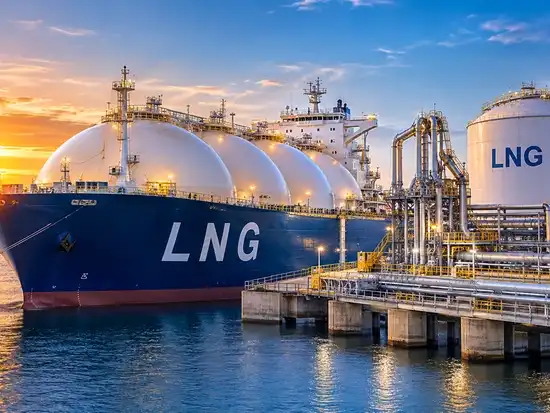
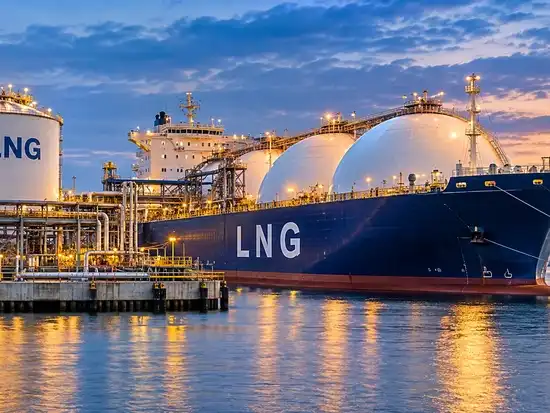
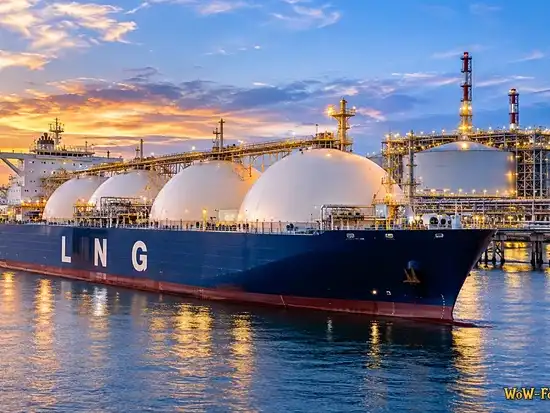
View our gallery showcasing production, storage, logistics and distribution of LNG
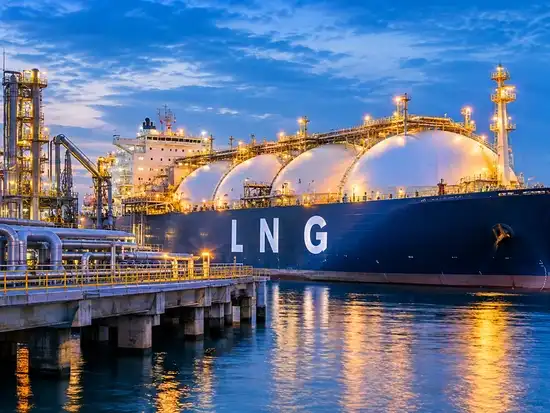
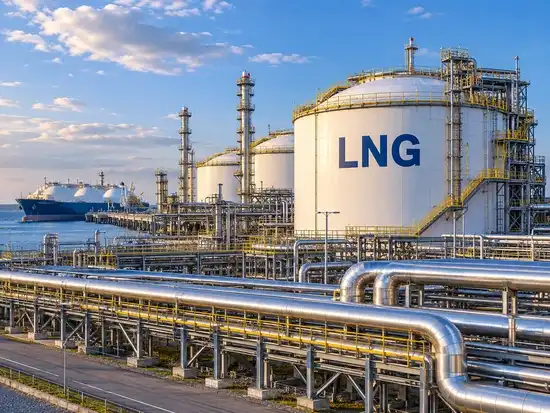
LNG Quality Assurance – How Is Liquefied Natural Gas Tested and Certified?
Quality assurance is an essential part of international LNG procurement. Because LNG is a complex mixture of hydrocarbons, its commercial value and technical suitability depend on accurate measurement of composition, energy content, density and relevant impurities.
Unlike a transaction based solely on a nominal volume of liquid, LNG commercial settlement frequently considers the energy content of the delivered product. This requires reliable measurement of LNG quantity and an accurate determination of its composition and calorific value.
We recognize the importance of independent quality verification and the availability of appropriate documentation throughout the commercial supply process.
1. Verification of Product Origin and Supply Documentation
The first stage of LNG quality assurance is establishing the identity and origin of the product being offered.
Depending on the transaction, the buyer may require confirmation of the production facility, loading terminal, contractual supplier, cargo identification and supporting commercial documentation.
These checks help establish the relationship between the offered commodity, the contractual seller and the intended delivery.
2. LNG Sampling and Laboratory Analysis
LNG sampling is conducted under established technical procedures designed to obtain representative samples during transfer operations.
Because LNG exists at cryogenic temperatures, sampling and analytical systems must be specifically designed for the product and operated by qualified personnel using approved equipment.
Sampling may be conducted through continuous or intermittent methods, depending on the terminal, transfer system and applicable contractual procedure.
The collected sample is subsequently prepared for analysis, with the composition determined using suitable analytical techniques, including gas chromatography.
3. Gas Chromatography and Composition Analysis
Gas chromatography is a principal analytical method used to determine the molecular composition of natural gas and LNG-derived gas samples.
The analysis identifies the relative proportions of methane, ethane, propane, butanes, nitrogen and other relevant components.
The resulting composition data provides the basis for calculating several important LNG quality characteristics.
These include:
- Methane concentration.
- Ethane and heavier hydrocarbon content.
- Nitrogen concentration.
- Gross and net calorific values.
- Relative density.
- Wobbe Index.
- Other contractual quality parameters.
4. Calorific Value and Energy Content Verification
The calorific value indicates the amount of energy released during the complete combustion of a defined quantity of fuel.
For LNG, gross and net calorific values are important commercial parameters because the final product may be purchased and settled according to its delivered energy content.
ISO 6976 provides internationally recognized calculation methods for determining combustion properties from gas composition.
In commercial transactions, the agreed reference conditions must be clearly identified. Differences in temperature, pressure and gross-versus-net calorific value conventions can otherwise create inconsistencies between measurement reports and contractual invoices.
5. Density and Quantity Measurement
LNG density is influenced by its chemical composition and temperature. It is therefore an important parameter in determining the quantity and energy content of an LNG cargo.
For maritime deliveries, quantity determination may involve calibrated tank measurement systems, level measurements, temperature and pressure information, and appropriate density calculations.
For smaller deliveries, the relevant transfer measurement system and contractual methodology must be established in advance.
Independent inspection and survey procedures may be included where required by the buyer, seller, terminal operator or financing arrangements.
6. Independent Inspection and Certification
For larger international LNG transactions, the buyer and seller may agree to involve an independent inspection or surveying organization.
The purpose of independent inspection is to provide additional assurance regarding the contractual quality and quantity determination process.
Depending on the transaction, inspection responsibilities may include verification of cargo documentation, sampling arrangements, measurement records and the relevant certificates.
The parties should agree in advance on the appointed inspection organization, inspection scope, sampling method, measurement procedures and the contractual treatment of any discrepancy.
7. Certificate of Quality and Certificate of Analysis
The Certificate of Quality and Certificate of Analysis provide essential technical information about the LNG being supplied.
These documents may identify the relevant product parameters, including methane content, other hydrocarbon components, nitrogen, calorific value, density and agreed impurity limits.
They provide the buyer with a technical reference against which the delivered product can be assessed.
8. Contractual Quality Compliance
Before delivery, the LNG quality specification should be incorporated into the relevant sales and purchase agreement.
The contract should define the acceptable composition ranges, calorific value, density, Wobbe Index and applicable impurity limits.
It should also establish the measurement location, testing procedures, reference conditions, certificate requirements and procedures for dealing with non-conforming product.
We emphasize that technical specifications must be agreed before commercial execution, ensuring that the buyer understands precisely what product is being purchased.
9. Documentation and Commercial Traceability
Quality assurance is not limited to laboratory testing. It also requires a coherent documentary record connecting the product specification, contractual supplier, loading or dispatch point, transportation arrangements and receiving party.
Depending on the transaction, this may include:
- Sales and Purchase Agreement (SPA).
- Commercial Invoice.
- Certificate of Quality.
- Certificate of Analysis.
- Certificate of Origin.
- Bill of Lading for maritime cargoes.
- Independent inspection report.
- Loading and discharge measurement documentation.
- Transportation and delivery records.
- Receiving terminal acceptance documentation.
Our objective is to coordinate the commercial and technical requirements so that buyers have an appropriate documentary basis for reviewing each transaction.
How to Invest in LNG Infrastructure and Energy Supply for Higher ROI – How We Can Help
Liquefied Natural Gas represents a significant segment of the international energy market. Its commercial importance extends beyond the purchase and resale of LNG cargoes to include transportation, storage, regasification, distribution infrastructure and long-term industrial energy supply.
For investors, infrastructure developers, energy companies and industrial organizations, LNG can provide opportunities across several different parts of the supply chain.
However, LNG investment is capital-intensive and subject to commodity-price volatility, infrastructure requirements, regulatory conditions, financing costs and long-term demand uncertainty.
We assists qualified commercial counterparties in evaluating LNG supply opportunities and exploring commercially viable cooperation structures.
1. LNG Trading and Physical Commodity Procurement
One possible commercial participation model involves the purchase and resale of physical LNG through appropriately structured supply agreements.
In this model, the commercial opportunity is based on procurement pricing, contractual delivery obligations, destination-market demand, transportation costs and the final sales price.
Potential revenue may arise from a negotiated difference between the acquisition cost and the resale value of the delivered commodity.
However, a positive trading margin is not guaranteed. The buyer must account for freight, insurance, terminal charges, losses, financing costs, taxes, price movements and counterparty risks.
We can assist with the commercial coordination of potential physical supply transactions and the identification of relevant contractual requirements.
2. Investment in LNG Storage and Distribution Infrastructure
Storage and distribution infrastructure can represent an important part of the LNG supply chain, particularly in markets without extensive natural gas pipeline networks.
Depending on the market, potential infrastructure projects may include:
- Regional LNG storage facilities.
- Small-scale LNG receiving terminals.
- Satellite LNG storage installations.
- Industrial LNG distribution facilities.
- Regasification infrastructure.
- Cryogenic transportation and logistics assets.
These projects may generate commercial revenue through storage services, distribution margins, handling fees or contracted energy deliveries.
Investment assessment should consider construction costs, permitting, operating expenditure, utilization rates, customer demand, financing and the time required to achieve operational capacity.
3. LNG Supply Agreements for Industrial Consumers
Industrial consumers with substantial natural gas requirements may benefit from securing structured LNG supply agreements.
For businesses located in areas without pipeline access, LNG may provide an alternative energy procurement route where suitable receiving and regasification infrastructure is available.
Long-term supply agreements can help industrial operators plan energy expenditure and establish greater visibility over their procurement requirements.
Depending on the contractual arrangement, commercial advantages may include agreed delivery schedules, pricing formulas, volume flexibility and negotiated supply conditions.
4. Small-Scale LNG Distribution Opportunities
Small-scale LNG distribution can serve markets where large-scale pipeline infrastructure is unavailable or uneconomic.
Potential customers may include industrial facilities, remote commercial developments, isolated energy projects and regional distribution operators.
A typical small-scale supply business requires access to reliable LNG sourcing, suitable transportation, approved cryogenic storage and receiving infrastructure, and an established customer base.
The commercial viability of such a project depends heavily on delivery distances, annual consumption, storage capacity, equipment utilization and the competitive position of alternative energy sources.
5. LNG and Power Generation Projects
Natural gas-fired electricity generation can provide an important market for LNG, particularly in countries seeking to diversify their electricity supply and improve generation flexibility.
Potential commercial participation may involve LNG procurement agreements, energy infrastructure development, power plant fuel supply or long-term supply coordination.
Power generation investment must be assessed according to electricity demand, generation efficiency, grid access, gas availability, regulatory conditions and the economics of competing generation technologies.
6. Understanding LNG ROI and Commercial Profitability
Return on investment (ROI) is a financial measurement used to compare the expected financial benefit of a project against the capital invested.
In LNG projects, profitability depends on a combination of commodity economics, infrastructure utilization, operating efficiency and contractual risk allocation.
For example, a small-scale LNG distribution project may generate revenue through the sale of delivered energy. Its profitability would depend on the difference between the final customer price and the total cost of acquiring, transporting, storing and delivering LNG.
For infrastructure projects, the financial assessment may also include annual capacity utilization, fixed operating costs, maintenance, depreciation, debt servicing and the expected operational lifetime of the installation.
Investors should consider the following indicators:
- Gross Trading Margin: The difference between the selling price and the commodity acquisition cost before other expenses.
- Delivered Cost: The complete cost of LNG at the receiving location, including relevant freight and logistics components.
- EBITDA: Earnings before interest, taxes, depreciation and amortization.
- Net Present Value (NPV): The present value of projected future cash flows after accounting for the initial investment and discount rate.
- Internal Rate of Return (IRR): The discount rate at which the net present value of projected cash flows equals zero.
- Payback Period: The estimated period required for cumulative project cash flows to recover the initial investment.
- Capacity Utilization: The proportion of available LNG storage, transportation or processing capacity actually used.
No particular ROI or investment return can be guaranteed. LNG prices, transportation costs, infrastructure utilization and market conditions can change substantially over the life of a project.
7. How Our Companies Can Support LNG Investment and Commercial Development
We provide a commercial point of coordination for companies and qualified counterparties exploring LNG supply, distribution and infrastructure opportunities.
Our support can include:
- Identifying potential LNG supply opportunities.
- Coordinating discussions with qualified physical suppliers.
- Evaluating international and regional procurement requirements.
- Preparing preliminary commercial supply structures.
- Coordinating discussions regarding FOB, CFR and CIF deliveries.
- Exploring smaller-volume LNG distribution opportunities.
- Assessing the commercial requirements of industrial consumers.
- Coordinating product specification and quality documentation requirements.
- Supporting discussions with logistics and infrastructure partners.
- Exploring potential long-term LNG supply cooperation.
For investors considering LNG infrastructure or distribution projects, the first step is to establish the target market, expected consumption, supply availability, required infrastructure and the projected commercial economics.
The Vanilla+ Corporation / Indico Stratton Corporation LTD welcomes inquiries from energy companies, industrial operators, infrastructure developers, commercial distributors and qualified investors interested in exploring LNG-related business opportunities.
8. Building Long-Term LNG Commercial Partnerships
Successful LNG projects require cooperation between multiple participants across the energy supply chain.
Producers, traders, shipping companies, terminal operators, storage providers, industrial consumers and regional distributors each have an important role in the delivery of physical LNG.
We seek to establish commercially sustainable relationships with qualified organizations that value transparent procurement structures, reliable communication and clearly defined contractual responsibilities.
Whether the requirement concerns a single LNG cargo, recurring industrial deliveries, regional distribution or a larger energy infrastructure project, we are available to discuss the commercial requirements and potential supply arrangements.
How to Invest in LNG Infrastructure and Energy Supply for Higher ROI – How Our Group Can Help
Liquefied Natural Gas represents a significant segment of the international energy market. Its commercial importance extends beyond the purchase and resale of LNG cargoes to include transportation, storage, regasification, distribution infrastructure and long-term industrial energy supply.
For investors, infrastructure developers, energy companies and industrial organizations, LNG can provide opportunities across several different parts of the supply chain.
However, LNG investment is capital-intensive and subject to commodity-price volatility, infrastructure requirements, regulatory conditions, financing costs and long-term demand uncertainty.
We assists qualified commercial counterparties in evaluating LNG supply opportunities and exploring commercially viable cooperation structures.
1. LNG Trading and Physical Commodity Procurement
One possible commercial participation model involves the purchase and resale of physical LNG through appropriately structured supply agreements.
In this model, the commercial opportunity is based on procurement pricing, contractual delivery obligations, destination-market demand, transportation costs and the final sales price.
Potential revenue may arise from a negotiated difference between the acquisition cost and the resale value of the delivered commodity.
However, a positive trading margin is not guaranteed. The buyer must account for freight, insurance, terminal charges, losses, financing costs, taxes, price movements and counterparty risks.
We can assist with the commercial coordination of potential physical supply transactions and the identification of relevant contractual requirements.
2. Investment in LNG Storage and Distribution Infrastructure
Storage and distribution infrastructure can represent an important part of the LNG supply chain, particularly in markets without extensive natural gas pipeline networks.
Depending on the market, potential infrastructure projects may include:
- Regional LNG storage facilities.
- Small-scale LNG receiving terminals.
- Satellite LNG storage installations.
- Industrial LNG distribution facilities.
- Regasification infrastructure.
- Cryogenic transportation and logistics assets.
These projects may generate commercial revenue through storage services, distribution margins, handling fees or contracted energy deliveries.
Investment assessment should consider construction costs, permitting, operating expenditure, utilization rates, customer demand, financing and the time required to achieve operational capacity.
3. LNG Supply Agreements for Industrial Consumers
Industrial consumers with substantial natural gas requirements may benefit from securing structured LNG supply agreements.
For businesses located in areas without pipeline access, LNG may provide an alternative energy procurement route where suitable receiving and regasification infrastructure is available.
Long-term supply agreements can help industrial operators plan energy expenditure and establish greater visibility over their procurement requirements.
Depending on the contractual arrangement, commercial advantages may include agreed delivery schedules, pricing formulas, volume flexibility and negotiated supply conditions.
4. Small-Scale LNG Distribution Opportunities
Small-scale LNG distribution can serve markets where large-scale pipeline infrastructure is unavailable or uneconomic.
Potential customers may include industrial facilities, remote commercial developments, isolated energy projects and regional distribution operators.
A typical small-scale supply business requires access to reliable LNG sourcing, suitable transportation, approved cryogenic storage and receiving infrastructure, and an established customer base.
The commercial viability of such a project depends heavily on delivery distances, annual consumption, storage capacity, equipment utilization and the competitive position of alternative energy sources.
5. LNG and Power Generation Projects
Natural gas-fired electricity generation can provide an important market for LNG, particularly in countries seeking to diversify their electricity supply and improve generation flexibility.
Potential commercial participation may involve LNG procurement agreements, energy infrastructure development, power plant fuel supply or long-term supply coordination.
Power generation investment must be assessed according to electricity demand, generation efficiency, grid access, gas availability, regulatory conditions and the economics of competing generation technologies.
6. Understanding LNG ROI and Commercial Profitability
Return on investment (ROI) is a financial measurement used to compare the expected financial benefit of a project against the capital invested.
In LNG projects, profitability depends on a combination of commodity economics, infrastructure utilization, operating efficiency and contractual risk allocation.
For example, a small-scale LNG distribution project may generate revenue through the sale of delivered energy. Its profitability would depend on the difference between the final customer price and the total cost of acquiring, transporting, storing and delivering LNG.
For infrastructure projects, the financial assessment may also include annual capacity utilization, fixed operating costs, maintenance, depreciation, debt servicing and the expected operational lifetime of the installation.
Investors should consider the following indicators:
- Gross Trading Margin: The difference between the selling price and the commodity acquisition cost before other expenses.
- Delivered Cost: The complete cost of LNG at the receiving location, including relevant freight and logistics components.
- EBITDA: Earnings before interest, taxes, depreciation and amortization.
- Net Present Value (NPV): The present value of projected future cash flows after accounting for the initial investment and discount rate.
- Internal Rate of Return (IRR): The discount rate at which the net present value of projected cash flows equals zero.
- Payback Period: The estimated period required for cumulative project cash flows to recover the initial investment.
- Capacity Utilization: The proportion of available LNG storage, transportation or processing capacity actually used.
No particular ROI or investment return can be guaranteed. LNG prices, transportation costs, infrastructure utilization and market conditions can change substantially over the life of a project.
7. How We Can Support LNG Investment and Commercial Development
We provide a commercial point of coordination for companies and qualified counterparties exploring LNG supply, distribution and infrastructure opportunities.
Our support can include:
- Identifying potential LNG supply opportunities.
- Coordinating discussions with qualified physical suppliers.
- Evaluating international and regional procurement requirements.
- Preparing preliminary commercial supply structures.
- Coordinating discussions regarding FOB, CFR and CIF deliveries.
- Exploring smaller-volume LNG distribution opportunities.
- Assessing the commercial requirements of industrial consumers.
- Coordinating product specification and quality documentation requirements.
- Supporting discussions with logistics and infrastructure partners.
- Exploring potential long-term LNG supply cooperation.
For investors considering LNG infrastructure or distribution projects, the first step is to establish the target market, expected consumption, supply availability, required infrastructure and the projected commercial economics.
We welcome inquiries from energy companies, industrial operators, infrastructure developers, commercial distributors and qualified investors interested in exploring LNG-related business opportunities.
8. Building Long-Term LNG Commercial Partnerships
Successful LNG projects require cooperation between multiple participants across the energy supply chain.
Producers, traders, shipping companies, terminal operators, storage providers, industrial consumers and regional distributors each have an important role in the delivery of physical LNG.
We seek to establish commercially sustainable relationships with qualified organizations that value transparent procurement structures, reliable communication and clearly defined contractual responsibilities.
Whether the requirement concerns a single LNG cargo, recurring industrial deliveries, regional distribution or a larger energy infrastructure project, we are available to discuss the commercial requirements and potential supply arrangements.
Buy LNG Directly Through Us – Request an International or Local Supply Quotation
Are you looking for a reliable LNG supply partner for your company, industrial facility, energy project or distribution network?
We work with qualified buyers seeking Liquefied Natural Gas for industrial consumption, power generation, commercial distribution, marine applications and international energy procurement.
We accommodate inquiries for both international bulk LNG cargoes and smaller commercial quantities, subject to available supply, destination infrastructure and applicable regulatory requirements.
Our commercial team can discuss product specifications, delivery terms, pricing structures, supply schedules and the documentation required to proceed with a transaction.
Contact Us for LNG Supply and Trading Inquiries
Product: Liquefied Natural Gas (LNG)
Supply Categories: International Bulk Cargoes / Small-Scale LNG / Industrial LNG / Long-Term Supply
Delivery Terms: FOB / CFR / CIF / Agreed Delivered Arrangements
Corporate Structure & Global Operational Hubs
Indico Stratton Corporation Ltd operates internationally with established dual-regional European headquarters, supported by global trading desks and port logistics coordinators to serve our Brazilian, South American, North American, and European client base with maximum efficiency and zero administrative delay:
- Primary Office & Headquarters (North Macedonia): str. Goce Delcev No. 85, Ilinden, 1041, Skopje, North Macedonia
- Secondary European Union Office (Bulgaria): str. Mesta Street No. 22, 2850, Petrich, Bulgaria, European Union
- We have offices in every country through our partner and sub-companies - contact us
Direct Executive Leadership & Contact Persons
We believe in transparent, direct, and unhindered business communication. For corporate inquiries, long-term supply agreements, spot purchases, and order workflows, our dedicated leadership team is available directly:
Mr. Voislav Avramovski ("VOYA")
Mr. Sibil L. Christov ("VOYA")
Connect with our team directly via international phone or WhatsApp at +389 78 522 341 or via email at contact@en590diesel.com. While direct face-to-face meetings between our executive teams and corporate buyers are highly preferable and welcomed, they are non-mandatory to initiate and complete streamlined ASTM D975 Diesel order processing.
Our Products: EN590 Diesel | ASTM D975 Diesel | S10 Diesel | LPG | LNG | Jet Fuel A1
Return to our Homepage | Buy Now | Contact us